
Table of Contents
- Introduction
- The Air India Crash: A Brief Overview
- Timeline of Events
- What Caused the Air India Crash?
- The Rescue Mission & Immediate Response
- Key Facts and Figures
- Voices from the Ground: Survivor and Witness Accounts
- Investigation & Findings
- Lessons for Aviation Safety
- How Air India and Indian Aviation Are Responding
- Conclusion
- FAQs
1. Introduction
Air India, one of the world’s most recognized airlines and a symbol of India’s connection with the world, has a proud legacy of service and safety. Yet, even the most reputable carriers can face moments of crisis that shake public confidence and leave lasting scars.
The recent Air India crash is one such event—a moment of tragedy that sent shockwaves not only across India but throughout the global aviation community.
Airplane accidents are mercifully rare in the modern era, thanks to enormous advances in technology, training, and safety regulations. That’s exactly why, when disaster does strike, the consequences feel especially profound. For the passengers and crew on board, as well as their families waiting anxiously for news, the fear and heartbreak are unimaginable. For airline staff, investigators, and first responders, every second becomes a race against time to save lives and find answers.
But the impact goes further:
- Entire communities grieve for the victims.
- Social media floods with updates, prayers, and sometimes, misinformation.
- Aviation authorities worldwide pay close attention, eager to learn and prevent future tragedies.
This blog dives deep into the story of the Air India crash—what went wrong, how the emergency response unfolded, and the lessons the entire aviation industry is now reviewing. We’ll break down the facts, the timeline, the voices of those involved, and most importantly, what can be done to make flying even safer for everyone.
Whether you’re an anxious flyer, a frequent traveler, or just someone who cares about aviation safety, this post will give you a clear, human-centered perspective on a tragedy that should never be forgotten—and the hope that can come from learning hard lessons.
2. The Air India Crash: A Brief Overview
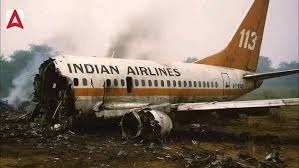
On August 7, 2020, Air India Express Flight IX 1344 was on its final approach to Kozhikode International Airport (also known as Calicut), in Kerala. The flight, a Boeing 737-800, was operating under the Vande Bharat Mission, tasked with bringing stranded Indian citizens home during the COVID-19 pandemic.
A total of 190 people were on board, including passengers, crew, and two pilots.
As the plane approached the airport in the evening, heavy monsoon rains battered the region. The runway was slick and visibility was poor—conditions that demand maximum precision from even the most experienced pilots. Kozhikode airport is known for its table-top runway, a design perched atop a plateau with steep drops at both ends, giving pilots little margin for error.
At around 7:41 PM local time, tragedy struck. Despite two attempts to land, the aircraft touched down more than halfway down the wet runway. Unable to stop in time, the plane skidded off the edge, plunged into a 35-foot gorge, and broke apart. The fuselage split in two, trapping passengers and causing chaos and panic inside the cabin.
The accident resulted in 21 fatalities, including both pilots, and left more than 100 injured. Quick-thinking locals and airport emergency responders rushed to the scene in torrential rain, pulling survivors from the wreckage and helping to save many lives.
This disaster immediately sparked a nationwide conversation about the unique dangers posed by table-top runways and landing in severe weather. It highlighted the crucial role of pilot decision-making, airport infrastructure, and the need for ongoing improvements in aviation safety protocols.
In the days that followed, the nation mourned the loss of life, and questions were raised:
- Could this tragedy have been prevented?
- Are table-top runways inherently dangerous?
- What more can be done to protect passengers, even in the worst conditions?
As the investigation began, the world watched, determined to uncover the truth and make sure every possible lesson would be learned.
3. Timeline of Events
– 7:13 PM (IST):
Air India Express Flight IX 1344 departs from Dubai International Airport, carrying 184 passengers—including 10 infants—and 6 crew members, totaling 190 people on board. The flight is part of India’s Vande Bharat Mission, a lifeline for citizens stranded abroad due to the pandemic.
– 9:35 PM:
As the plane nears Kozhikode International Airport, the weather worsens. Torrential rain batters the region, reducing visibility and making landing conditions extremely challenging. The pilots circle the airport, assessing their options and preparing for a difficult approach.
– 9:40 PM:
The aircraft begins its final descent. Despite the rain and a notoriously short, table-top runway, the pilots commit to landing. The runway is wet, slick, and offers little margin for error.
– 7:41 PM:
Flight IX 1344 touches down, but it lands well past the ideal touchdown point. The aircraft struggles to decelerate on the slippery surface. Within seconds, it skids off the end of the runway, plunging into a steep 35-foot gorge. The fuselage splits in two with a loud, shattering noise.
– Immediately After (Approx. 7:42 PM):
The cabin erupts in chaos and panic. Passengers scramble to escape as seats break, luggage scatters, and water pours in from the rain outside.
– 7:45 PM:
An emergency is declared at Kozhikode Airport. Local authorities, firefighters, medical teams, and volunteers rush to the site, battling heavy rain and darkness to reach the survivors.
– 8:00 PM:
Evacuation begins. First responders and local residents heroically help pull passengers from the wreckage, carrying the injured up the muddy slope to waiting ambulances. The community’s quick response saves many lives.
– Overnight:
Nearby hospitals receive a flood of patients—some critically injured. Air India and government authorities set up emergency helplines and support teams for families. Aviation investigators arrive to secure the site and recover the flight data recorders (black boxes).
– The Next Morning:
Rescue and recovery operations continue, and the nation mourns. News spreads globally, with tributes and support pouring in for the victims and their families.
-
4. What Caused the Air India Crash?
- Air disasters rarely have a single cause. In the case of Air India Express Flight IX 1344, several contributing factors combined to create a tragic outcome. Let’s break down the key elements that played a role:
-
1. Adverse Weather Conditions
- The crash happened during Kerala’s fierce monsoon season. On the night of the accident, torrential rain reduced visibility and made the runway extremely slippery. Heavy rainfall is one of the most challenging conditions for any pilot, as it can create hydroplaning (where tires lose contact with the runway surface), reduce braking effectiveness, and make it harder to see runway markings or hazards.
-
2. Table-Top Runway Design
- Kozhikode International Airport features a “table-top” runway, perched on a plateau with steep drops at both ends. Unlike typical runways with flat overruns, table-top runways have little to no extra space for an aircraft that overshoots. This design means any error—whether due to weather, speed, or approach angle—can have far more severe consequences. Multiple incidents at other table-top runways in India have raised safety concerns in the past.
-
3. Landing Approach
- Investigators found that the aircraft landed much farther down the runway than ideal, reducing the available stopping distance. Ideally, a plane should touch down in the first third of the runway. In this case, the aircraft crossed a significant portion of the runway before making contact, possibly due to the challenging weather and a higher-than-normal approach speed. With less runway to slow down, the plane was unable to stop before reaching the end.
-
4. Human and Technical Factors
- While pilots are highly trained for difficult landings, human decision-making is always a factor under stress. Authorities investigated whether the crew considered diverting to another airport, as well as their communication with air traffic control.
Technical elements, such as the aircraft’s braking system and the performance of the landing gear, were also examined. Early reports pointed to no major mechanical failure, but the investigation looked closely at cockpit recordings and flight data for subtle clues. -
5. Ongoing Investigation
- Aviation investigations are complex and thorough, taking months or even years to reach final conclusions. For this crash, the Directorate General of Civil Aviation (DGCA), along with international experts, analyzed black box data, maintenance records, and crew training. Their aim: to uncover every factor, direct and indirect, so that lessons can be learned and safety improved worldwide.
- In summary:
It was a tragic combination of harsh weather, a challenging runway, a difficult approach, and the ever-present possibility of human error or stress-induced decision-making. Each of these factors contributed to a chain of events that led to one of India’s most serious aviation disasters in recent memory.
5. The Rescue Mission & Immediate Response
The moments after the crash of Air India Express Flight IX 1344 were chaotic, urgent, and marked by incredible acts of bravery. As soon as the plane skidded off the rain-soaked runway and broke apart in the gorge, an emergency alarm was raised at Kozhikode International Airport. The sound of the crash—echoing through the storm—alerted not only airport officials but local residents in nearby neighborhoods.
Within minutes, airport rescue teams, firefighters, local police, and even ordinary citizens rushed toward the mangled wreckage, battling heavy rain, mud, and darkness. Many responders navigated down the slippery, steep embankment with only the light from their mobile phones and flashlights to guide them. The urgency was palpable: every second counted in saving lives.
Despite the risk of fire or further collapse, first responders worked together to pull survivors out of the shattered fuselage. Some passengers were trapped by twisted metal or seats, requiring quick thinking and teamwork to free them. Local volunteers used makeshift stretchers, and some even carried the injured on their backs up the slippery slopes to waiting ambulances.
Nearby hospitals had already been alerted by airport authorities. Medical staff prepared for mass casualties, and a stream of ambulances quickly ferried the injured for emergency care. Blood donation drives were immediately launched as word spread across the city and on social media.
A dedicated emergency helpline was set up within hours to help anxious families get information about their loved ones. The government and Air India coordinated efforts to support survivors and next of kin, providing both medical aid and psychological counseling.
In the end, the courage and unity shown by both professionals and ordinary people on that stormy night helped save many lives. Their swift, selfless response remains one of the few bright spots amid a tragedy—and a reminder of how communities can come together in the face of disaster.
6. Key Facts and Figures
- Total Passengers & Crew: 190 (184 passengers, 4 cabin crew, 2 pilots)
- Fatalities: 21 (including both pilots)
- Injured: Over 100 (many critically injured, several in serious condition)
- Aircraft Model: Boeing 737-800 (registration VT-AXH)
- Flight Route: Dubai (DXB) to Kozhikode, Kerala (CCJ)
- Date & Time of Crash: August 7, 2020, approximately 7:41 PM IST
- Weather: Heavy monsoon rain, low visibility
- Runway Type: Table-top runway with steep drops at both ends
- Crash Site: Runway 10, Kozhikode International Airport (Calicut)
- Rescue Duration: 3+ hours for initial rescue and evacuation
- Mission Purpose: Vande Bharat Mission (repatriating Indian citizens during COVID-19)
Additional Context:
- The crash occurred after the aircraft overran the wet runway and plunged down a 35-foot slope.
- The plane broke into two sections, complicating rescue efforts.
- Quick response from local residents and emergency personnel was critical in saving lives.
7. Voices from the Ground: Survivor and Witness Accounts
In the aftermath of the Air India crash, the voices of those who lived through it—and those who rushed to help—reveal both the terror of the moment and the strength of the human spirit.
Survivor Testimonies:
“There was a loud noise, and suddenly everything went dark. People were screaming, but some helped others get out. I am thankful to be alive.”
— Survivor
“I remember the plane skidding and then a huge jolt. The next thing I knew, my seatbelt was the only thing holding me. There was chaos—children crying, people trying to call for help. But some passengers and crew stayed calm and helped open the emergency exits.”
— Injured Passenger
“When I crawled out of the wreckage, it was raining so hard I could barely see. The people who found us were shouting, trying to find survivors. I owe my life to them.”
— Young Student, Repatriation Flight
Rescuers & Witnesses:
“We heard the crash from our home nearby and ran toward the airport, not knowing what to expect. The rain was relentless, but we saw people waving from the wreckage. We did whatever we could—pulling people out, comforting children, calling for ambulances.”
— Local Resident, Volunteer Rescuer
“Our team reached the spot within minutes. The mud and rain made it almost impossible to move quickly. Many passengers were injured and in shock, but the community came together. Without hesitation, everyone helped.”
— Airport Staff Member
The combination of confusion, fear, and the will to survive marked every account. Yet, amidst the chaos, stories of courage, compassion, and quick thinking emerged—reminding us that even in disaster, humanity prevails.
8. Investigation & Findings
In the immediate aftermath of the crash, Indian aviation authorities took swift action to uncover the causes and prevent future tragedies. The Directorate General of Civil Aviation (DGCA), along with Air India and the Aircraft Accident Investigation Bureau (AAIB), launched a formal investigation.
Key steps in the investigation included:
- Securing the Crash Site: Officials cordoned off the area to preserve evidence and ensure the safety of rescue and investigation teams.
- Recovery of Black Boxes: Both the Cockpit Voice Recorder (CVR) and Flight Data Recorder (FDR)—known as the “black boxes”—were retrieved from the wreckage. These devices contain crucial data about the final minutes of the flight, including pilot communications, aircraft speed, altitude, and system performance.
- Interviews and Evidence Gathering: Investigators interviewed survivors, crew members, air traffic controllers, and first responders. Maintenance logs, weather reports, and flight plans were all scrutinized.
- International Collaboration: Since the aircraft was a Boeing 737-800, representatives from Boeing and international aviation experts were involved, ensuring a thorough and unbiased review.
Preliminary Findings:
Initial reports pointed to a combination of adverse weather and a late landing as primary factors. The aircraft touched down further along the runway than recommended, and the heavy rain made braking less effective, leaving too little runway to stop safely. There was no evidence of technical malfunction or sabotage.
Ongoing Process:
Aviation accident investigations are meticulous and often take months or even years. The final report will offer detailed analysis, including:
- Timeline reconstruction
- Human factors (pilot decisions, crew resource management)
- Airport and runway safety evaluations
- Recommendations to prevent similar incidents
The ultimate goal of these investigations is not just to find fault, but to improve global aviation safety standards—ensuring that every lesson is learned, and future flights are safer for all.
9. Lessons for Aviation Safety
The Air India Express crash at Kozhikode has become a wake-up call for the entire aviation industry, underlining vital lessons that go far beyond a single tragedy. Every disaster is an opportunity to examine what went wrong—and to make meaningful changes that save lives in the future. Here’s what the world can learn:
1. Runway Design & Airport Infrastructure
Airports with table-top runways—runways built atop plateaus with steep drops at the ends—pose unique risks. The Kozhikode incident highlighted the urgent need for:
- Stricter runway safety protocols: Regular audits, improved lighting, better friction measurements, and clear runway markings.
- Enhanced overrun safety areas: Extending the runway or installing arrestor beds that can safely stop aircraft in emergencies.
- Risk assessments: More frequent and transparent assessments of all airports with challenging layouts.
2. Weather Monitoring and Flight Decision-Making
Adverse weather—especially heavy rain and low visibility—played a major role in the crash. Lessons here include:
- Real-time weather data: Investing in advanced monitoring systems for airports and aircraft.
- Stricter policies on diversions: Encouraging or requiring pilots to divert to alternate airports when landing conditions are unsafe, without fear of penalty or stigma.
- Communication: Ensuring rapid updates between meteorological offices, air traffic control, and pilots.
3. Pilot Training and Preparedness
Even highly experienced pilots can be challenged by unexpected or extreme conditions. To strengthen aviation safety:
- Simulation training: Frequent training for pilots on landing at table-top runways, adverse weather approaches, and emergency scenarios.
- Crew resource management: Promoting strong teamwork and decision-making under stress.
- Continuous learning: Sharing lessons from past incidents in regular safety briefings.
4. Emergency Response Coordination
The quick, heroic response at Kozhikode saved many lives—but also revealed how crucial it is for airports and cities to be prepared:
- Coordinated drills: Regular joint exercises for airport staff, local police, fire and rescue teams, and hospitals.
- Updated emergency plans: Ensuring every airport has a clear, practiced plan for rapid medical evacuation and survivor support.
- Community awareness: Training local residents and volunteers in basic first aid and emergency procedures can make a lifesaving difference.
In Summary:
Aviation is one of the safest forms of travel, but safety must never be taken for granted. By acting on the lessons of the Air India crash—improving infrastructure, prioritizing weather safety, training crews, and refining emergency response—the entire industry can move forward, honoring those lost and making the skies safer for everyone.
10. How Air India and Indian Aviation Are Responding
In the aftermath of the Kozhikode crash, Air India, the Directorate General of Civil Aviation (DGCA), and other key aviation authorities moved quickly to address the gaps exposed by the tragedy. The response has focused on both immediate action and long-term reform to ensure passenger safety remains the top priority.
Reviewing Landing Protocols
One of the first steps taken was a comprehensive review of landing procedures, especially for flights approaching table-top runways and airports with challenging geography. New landing checklists, enhanced go-around guidelines, and stricter approach criteria were implemented for pilots flying into such airports.
Increased Safety Audits
The DGCA ordered nationwide safety audits of all airports with table-top runways and similar risk factors. These audits focus on runway conditions, emergency preparedness, lighting, signage, and drainage to prevent runway overruns during adverse weather.
Upgrading Infrastructure
Airports Authority of India (AAI) and local administrations have accelerated plans to improve airport infrastructure:
- Extending runway safety areas where possible.
- Installing Engineered Material Arrestor Systems (EMAS) at the runway ends to stop aircraft safely in overrun situations.
- Upgrading runway friction testing and maintenance routines.
Enhanced Pilot Training
Air India and other carriers have ramped up simulation training for pilots, emphasizing:
- Approaches in poor weather
- Table-top and short runway landings
- Decision-making under pressure, including timely go-arounds and diversions
International Collaboration
Indian authorities have sought advice from international aviation safety organizations and manufacturers, including Boeing, to ensure global best practices are adopted. Lessons from the Kozhikode investigation are being shared with airlines and airports worldwide.
Transparent Communication and Passenger Support
Air India and government agencies have committed to transparent communication with the public, regular updates on safety initiatives, and continued support for crash survivors and their families.
Looking Ahead:
The Air India crash has become a turning point for Indian aviation, leading to renewed efforts to make every flight safer. With ongoing reforms, stronger oversight, and a culture of continuous improvement, the industry aims to prevent such tragedies and rebuild trust with every passenger who boards a flight.
11. Conclusion
The Air India Express crash at Kozhikode stands as a heartbreaking chapter in India’s aviation history—a moment that shook families, communities, and the entire nation. Yet, it also reminds us of the complexity and unpredictability that can still exist, even in an industry defined by its remarkable safety record.
While air travel remains one of the safest ways to move across the globe, incidents like this reinforce the need for constant vigilance, innovation, and learning. Every tragedy brings pain, but it also brings opportunity: the chance to examine what went wrong, to listen to survivors and experts, and to ensure such lessons are never forgotten.
Airlines, airport authorities, and regulators have responded with renewed urgency—reviewing procedures, investing in training, and upgrading infrastructure. The voices of survivors, rescuers, and families drive home the human cost, urging everyone involved to never lose sight of the ultimate goal: bringing every passenger safely home.
For the flying public, stories like these can be unsettling. But it’s important to remember that aviation is continually evolving. Each incident—while rare—leads to changes that make flying safer for millions. By honoring the victims and valuing the lessons learned, we can look forward to a future where safety is never taken for granted, and confidence in the skies is stronger than ever.
12. FAQs
Q: How often do plane crashes like this happen?
A: Air travel is one of the safest forms of transportation. Major commercial plane crashes are extremely rare—statistically, the odds are about 1 in 11 million flights. Every incident, while tragic, receives intense scrutiny to prevent recurrence.
Q: Is flying still safe after this accident?
A: Yes, flying remains exceptionally safe. The aviation industry is built on a culture of continuous safety improvement. Each incident leads to thorough investigation and the introduction of even stricter safety measures, making air travel safer year after year.
Q: What support is available for victims’ families?
A: Air India and relevant government agencies have set up emergency helplines, financial compensation, and free counseling services for families affected by the crash. Many organizations also offer legal and psychological assistance to help families cope during this difficult time.
Q: Will this change how pilots land in bad weather?
A: Absolutely. Accidents like this spark immediate reviews of pilot training, landing protocols, and airport procedures—especially in challenging weather. New rules, better simulation training, and advanced technology are often introduced as direct results of such investigations.
Q: What can passengers do to stay safe while flying?
A: Follow all crew instructions, wear your seatbelt whenever seated, and pay attention to safety briefings. Most importantly, know that aviation professionals work tirelessly behind the scenes to keep every flight as safe as possible.