
7 Storytelling Techniques to Master in Marketing
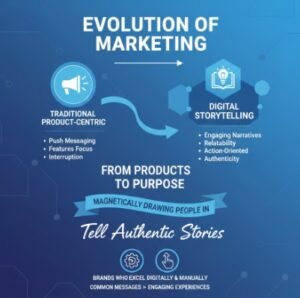
In today’s digital world, the marketing system of operation has shifted to something more powerful and result-oriented. Back then, what we had was the traditional product-centric marketing system, but now the marketing game has revolutionized storytelling techniques and strategies that magnetically draw people in to take a specific action.
Brands who thrive and excel digitally and manually are the ones who tell authentic stories that relate to their brand. Effective storytelling transitions common messages into an engaging and insightful experience.
The 7 Storytelling Techniques Every Marketer Should Master
People naturally ignore things that aren’t interesting or engaging to them. That is where most marketers struggle to grab attention. This is where storytelling comes into play as an igniting and magnetic tool to achieve the smart goals of every marketer. It is an effective strategy that impacts how the message is conveyed to your desired audience. People can forget ads and other things, but they do not often forget what deeply connects and resonates with them.
Here are seven proven techniques every marketer should master:
- The Hero’s Journey: In every powerful story, there is a hero who emerges in a very tough environment but grows into a great personality. In marketing, your customers are the hero — not your brand. This is achieved by describing a transformational journey to engage readers.
For example: From confused beginners to confident creators, our users have transformed their businesses with one simple tool.
- In Medias Res (Starting in the Middle): Most people get gripped, especially when you drop them directly into the action. It starts in the middle of an event to hook the audience instantly. It is mostly used when you need a strong start to draw interest.
For instance: The deadline was three hours away. Sales were dropping. Something had to change — fast.
- Flashbacks: Flashbacks make use of background details to convey your message in a clear way. This offers insight into the past to provide context. They reflect your origin, difficulties, and growth process.
For example: Before Arushi Web Solutions became a trusted digital partner, it started with a laptop, a small room, and one big dream.
- Personal Anecdotes: People build trust through real people, not generic brands. Sharing personal stories with your potential or loyal customers can build credibility and enhance sales.
For example: I still remember the first referral I ever had from one of my clients. It wasn’t about the money I made but how it opened a whole stream of business for me at that time.
- Metaphors & Analogies: These are significant devices used to break down complex concepts through comparison. They make ideas simple and create a long-lasting bond with the reader’s imagination.
For example: Think of our service as a digital compass — guiding your brand in the right direction, no matter how crowded the market is.
- Setting the Scene: This approach uses experiential elements to take readers into your world by painting a vivid picture that immerses them in the story. For instance: The room was silent, except for the sound of fingers typing. That was the night Arushi’s biggest breakthrough was born.
- Dialogue: This makes use of conversation to make your story dynamic and relatable. It breathes life into your message and eliminates dullness.
Example: Why are we building this?’ someone asked. ‘Because small businesses deserve better,’ we answered. When a customer sees this kind of question, they want to continue reading to find out what your brand is building.
Storytelling has become one of the most powerful strategies any marketer can use today. When you tell realistic and authentic stories that are relatable, people connect with your brand unconsciously and deeply. The seven techniques explained above will help you convey your brand’s aim and message and achieve them successfully.
When marketers leverage them skillfully, they make brand awareness more effective by being clearer and more genuine. The more your stories mirror real-life challenges and experiences, the more active your audience will remain. Good storytelling isn’t about appearing flawless; it is about being purposeful, human, and meaningful. When used well in marketing, it can drive more leads and bring customers to your doorstep.
If you desire marketing that stands out, start by practicing these storytelling techniques today and watch how you grow beyond your limitations. Begin your next step today by incorporating each of them daily in your posts, emails, or campaigns, and see how you move with ease to your next level.